
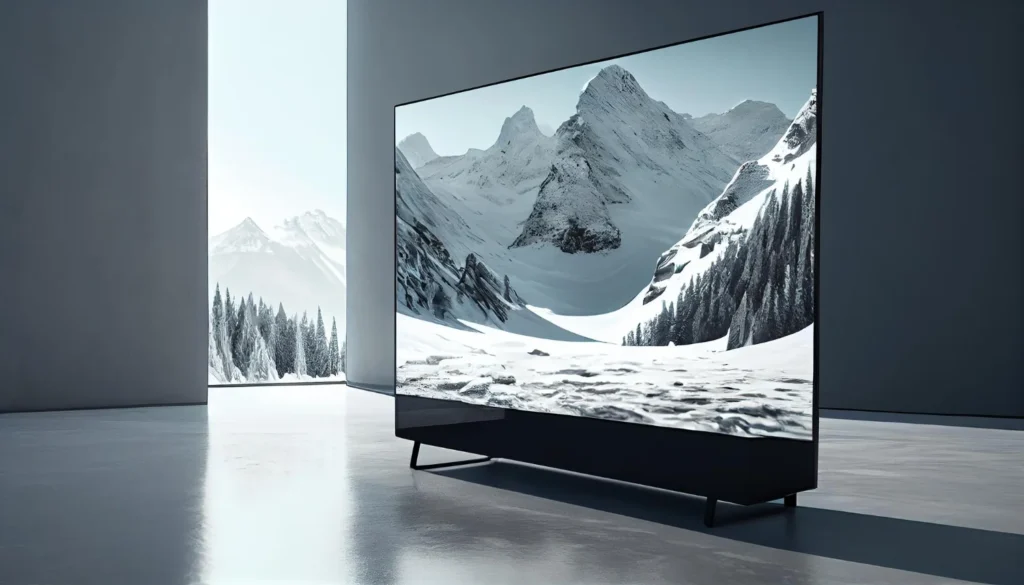
November 21 marks World Television Day, a global celebration of the device that transformed our society. It is not just an anniversary of the technology itself, but a recognition of the philosophy it represents.
Television serves as a cornerstone of democracy and freedom of information. It connects people across continents and brings world events into our safe living spaces.
We often take this magic box for granted in the age of smartphones. This guide explores why the United Nations established this day and why TV still matters deeply.
Why November 21?
The United Nations did not choose this date based on the invention of the first mechanical television. Instead, they selected it to commemorate the first World Television Forum held in 1996.
Leading media figures met under the UN auspices to discuss the growing significance of television. They recognized its power to influence decision-making and sharpen the focus on major global issues.
The General Assembly officially proclaimed World Television Day shortly after that forum. They wanted to encourage the exchange of programs focusing on peace, security, and social development.
The Evolution of the Screen
Television has survived many predictions of its death. Radio was supposed to kill newspapers, and the internet was supposed to kill TV.
Yet, the medium adapts and thrives. We moved from heavy wooden cabinets with tiny green screens to sleek 4K wall-mounts.
From Mechanical to Digital
- The Mechanical EraInventors like John Logie Baird used spinning disks to scan images. These early sets offered low resolution and were difficult to synchronize.
- The Electronic TakeoverCathode Ray Tubes (CRT) became the standard for decades. They were bulky but reliable, bringing black-and-white news to the post-war generation.
- The Color RevolutionBroadcasters introduced color in the 1950s, though adoption took time. By the late 1960s, viewers finally saw the world as it really is.
- The Digital SwitchAnalog signals gave way to digital broadcasting in the 2000s. This shift cleared up the “snow” on our screens and allowed for high-definition channels.
Television as a Teacher
Students and researchers often overlook the educational impact of television. It acts as a primary source of history as it happens.
Consider how many people learned about space exploration by watching the moon landing. Think about how nature documentaries changed our understanding of the climate and wildlife.
TV channels dedicated to history, science, and the arts provide accessible learning for everyone. You do not need a university degree to learn about physics or ancient civilizations from a quality broadcast.
Iconic Moments That Stopped the World
Television has the unique power to synchronize human attention. Certain events glued billions of eyes to the screen at the exact same moment.
Here is a look at some broadcast events that defined their eras.
| Event | Year | Global Impact |
| The Moon Landing | 1969 | Over 600 million people watched Neil Armstrong take his first steps. |
| Live Aid Concert | 1985 | A dual-venue concert that raised millions for famine relief in Ethiopia. |
| The Fall of the Berlin Wall | 1989 | News crews broadcasted live as citizens dismantled the symbol of the Iron Curtain. |
| Olympic Games Opening | 2008 | The Beijing ceremony drew a staggering audience of over one billion viewers. |
| Royal Weddings | Various | These ceremonies consistently draw massive global viewership numbers. |
Fun Facts About Television
You might think you know everything about your TV, but the industry is full of surprises. Here are some fascinating trivia points to share with friends.
- The First CommercialThe first legal TV commercial aired in the US in 1941. It was a 10-second spot for Bulova watches and cost the company only four dollars.
- The Ghost of TV PastEarly TV cameras were so sensitive to heat that performers had to wear green makeup. This made them look normal on black-and-white screens under hot studio lights.
- Remote Control OriginsThe first remote control was connected to the TV by a long wire. Wireless remotes came later and used ultrasound, which sometimes annoyed household pets.
- Binge-Watching RecordsThe average person will spend nearly 10 years of their life watching television. This number continues to rise with the popularity of streaming services.
The Streaming Revolution
World Television Day also acknowledges the changing definition of “watching TV.” We no longer sit according to a schedule dictated by network executives.
Streaming platforms like Netflix, Disney+, and Hulu have shifted the power to the viewer. We watch what we want, when we want, and on whatever device we choose.
This shift has actually led to a “Golden Age” of content. High budgets and creative freedom allow writers to tell complex stories that were impossible on traditional networks.
Is Television Still Relevant?
Critics often argue that social media has replaced television. While social platforms are faster, television remains the gold standard for verified video content.
During times of crisis, people still turn to major news networks for reliable updates. Social media provides the noise, but television often provides the signal.
Advertisers also know that TV ads build brand trust better than fleeting social media posts. The “big screen” in the living room commands a level of attention that a scrolling phone feed cannot match.
How to Celebrate World Television Day
You do not need to attend a UN forum to observe this day. Here are simple ways to join the celebration.
- Revisit the ClassicsFind an episode of a show from the 1950s or 60s. Compare the pacing and acting style to modern series.
- Watch a DocumentaryChoose a film about the history of broadcasting. Learn about figures like Philo Farnsworth or Edward R. Murrow.
- Share Your Favorite MomentPost on social media about the TV moment that impacted you the most. Use the hashtag #WorldTelevisionDay to join the global conversation.
- Disconnect to ReconnectIronically, you might celebrate by turning the TV off for an hour. Discuss with your family how television influences your daily conversations and opinions.
The Future of the Box
The physical television set is disappearing into the wall. New screens are paper-thin, rollable, or even transparent when not in use.
Augmented Reality (AR) and Virtual Reality (VR) may soon replace the screen entirely. We might soon watch events “from the inside” rather than looking at them through a glass window.
Regardless of the technology, the core purpose remains the same. It is about storytelling, information, and connection.
Conclusion
World Television Day reminds us that technology is a tool for human connection. From the first grainy mechanical images to today’s 8K streams, the goal has always been to see further.
We invite you to turn on your screen today with a fresh perspective. Appreciate the engineering marvel and the global workforce that brings the world to your home.
Television is not just furniture. It is a window to the world, and it is up to us to keep the view clear and meaningful.