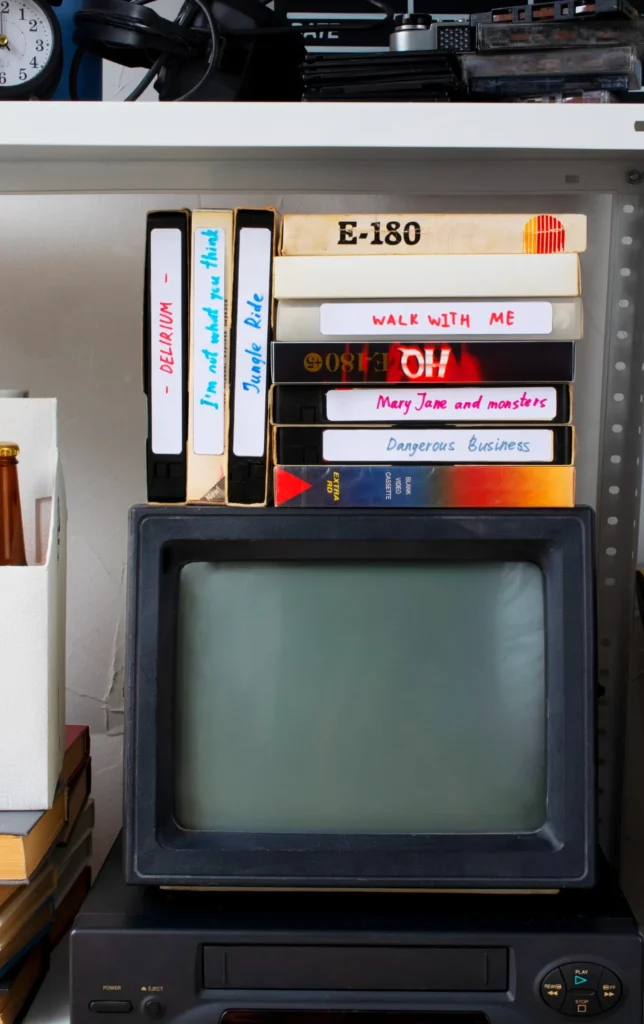

The history of television is a complex journey that transformed global communication forever. It began as a scientific curiosity in the late 19th century and evolved into the most powerful medium for news and entertainment.
Inventors around the world raced to transmit moving images through the air. Their collective efforts turned bulky mechanical machines into the sleek digital screens we use today.

The Golden Age of Broadcasting
Families gathered around small wooden sets in the late 1940s to watch grainy black-and-white programs. Networks like NBC and CBS established regular schedules that quickly became a central part of daily life.
This era introduced iconic shows that defined pop culture for decades. News anchors became trusted household names as they brought world events directly into American living rooms for the first time.

Color Screens and the Digital Shift
RCA led the massive push to bring color to the screen during the mid-1950s. Viewers were finally able to see the vibrant costumes and landscapes that they had only imagined in grey tones before.
Cable television expanded the landscape significantly in the 1980s by offering hundreds of channels. This shift broke the monopoly of major networks and allowed niche content to flourish for specific audiences.
The internet eventually revolutionized the industry again with high-speed streaming services. We now have the freedom to watch any program on demand instead of waiting for a scheduled broadcast time.
These dissertation writing services https://essaypro.com/custom-dissertation-writing-service is great for building a “portfolio” of sample papers. Many students order a few early in the semester to study structure and phrasing for their own work.